训练

BT vs BBT vs HSK Tool Holders: Which One to Choose?

Jun 08, 2026

When comparing CNC machining centers, you may notice that some machines use BT tool holders, while others are equipped with BBT or HSK systems. The price difference can be significant, but is the more expensive option always worth it?

The answer depends on your machining requirements. Factors such as spindle speed, cutting stability, surface finish, and production efficiency are all closely related to the tool holder system you choose.

In this article, we'll compare BT, BBT, and HSK tool holders to help you understand their differences and choose the right solution for your application and budget.


What Is a CNC Tool Holder?

The Role of a Tool Holder

A CNC tool holder connects your cutting tool to the spindle and ensures it stays securely in place during machining. It transfers cutting forces, torque, and spindle rotation directly to the tool.

Even small differences in tool holder design can affect machining accuracy, surface finish, and tool life. A well-matched tool holder reduces vibration, improves stability, and helps you get consistent results, while the wrong choice can limit the performance of even the most advanced CNC machine.


Why Tool Holder Selection Matters

Choosing the right tool holder is not just about cost—it directly impacts your productivity and product quality. The right system ensures:

  • High rigidity: Minimizes deflection during cutting.
  • Precision: Reduces runout for accurate dimensions and surface finish.
  • Spindle performance: Compatible with your machine’s speed and torque.
  • Tool life: Prevents premature wear or damage to cutting tools.

BT, BBT, and HSK are the three most common systems, each designed to meet different machining needs. Understanding their differences will help you select the best tool holder for your spindle and application.


BT Tool Holder: Economical and Widely Used

How It Works

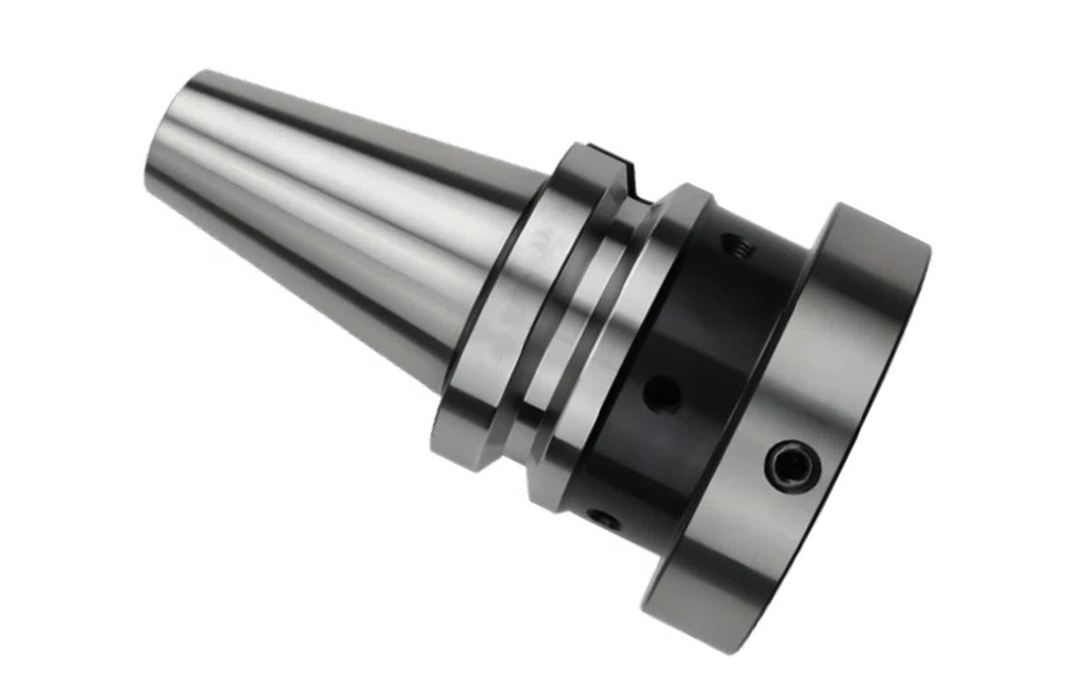
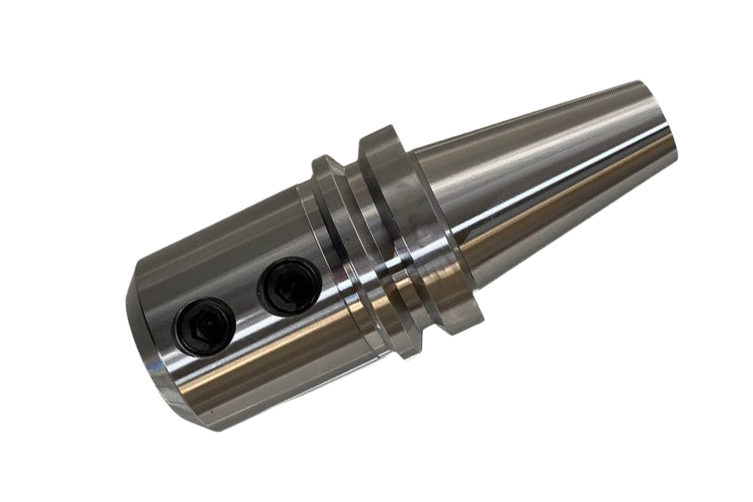
The BT tool holder is the most widely used tool holder system in CNC machining centers. It uses a 7:24 taper for positioning and a pull stud to secure the holder inside the spindle. The taper surface provides the primary contact between the spindle and the tool holder, while the face of the holder does not participate in positioning.

This simple and proven design has made BT the industry standard for general machining applications.


Features

BT tool holders are known for their simplicity, reliability, and affordability. They are easy to source, compatible with a wide range of CNC machines, and offer sufficient performance for most machining tasks.

Key characteristics include:

  • Single-contact taper positioning
  • Simple and mature design
  • Cost-effective solution
  • Easy maintenance and replacement
  • Suitable for a wide range of machining applications


Applications

BT tool holders are commonly used in:

  • General metal cutting
  • Mold and die manufacturing
  • Automotive components
  • Job shop machining
  • Standard vertical machining centers

For most machining operations that do not require extremely high spindle speeds or ultra-high precision, BT tool holders provide an excellent balance between performance and cost.


Recommended Spindle Speed

BT tool holders are typically recommended for spindle speeds below 12,000 RPM. At these speeds, they can deliver stable performance and meet the requirements of most machining applications.

For manufacturers looking for an economical and reliable tool holder system, BT remains the most practical choice. It is also the reason why BT40 and BT50 continue to be the standard configuration on many CNC machining centers worldwide.


BBT Tool Holder: Enhanced Rigidity

How It Works

The BBT tool holder is an upgraded version of the traditional BT system. Unlike BT, which relies only on taper contact, BBT uses dual-contact positioning, where both the taper and the face of the tool holder contact the spindle simultaneously.

This design creates a tighter connection between the spindle and the tool holder, improving overall rigidity and stability during machining.


Features

Compared with BT tool holders, BBT provides better support for high-speed and high-precision machining.

Key characteristics include:

  • Dual-contact design (taper + face contact)
  • Higher rigidity and stability
  • Improved positioning accuracy
  • Reduced vibration during cutting
  • Better performance in demanding machining applications

Because of the stronger spindle-to-tool connection, BBT tool holders are often preferred when higher cutting forces or tighter tolerances are required.


Applications

BBT tool holders are commonly used in:

  • Precision mold and die machining
  • Aerospace components
  • High-accuracy parts manufacturing
  • High-speed machining centers
  • Machines requiring a better surface finish quality

They are especially suitable for users who need more rigidity than BT can provide but do not necessarily require a full HSK system.


Recommended Spindle Speed

BBT tool holders are commonly used on spindle speeds ranging from 10,000 to 20,000 RPM. They are frequently found on high-performance mechanical spindles and some motorized spindle applications.

For manufacturers seeking improved accuracy and cutting stability without moving to the more expensive HSK system, BBT offers an excellent balance between performance and investment.


HSK Tool Holder: High-Speed and High-Precision


How It Works

HSK tool holders are designed specifically for high-speed, high-precision CNC machining. Like BBT, they use dual-contact positioning—taper contact plus face contact—, but their structure is different:

The shank is hollow, which reduces weight and centrifugal forces at high spindle speeds.

The clamping mechanism is internal, so there’s no visible pull stud.

The dual-contact design ensures maximum rigidity and repeatability, even at very high speeds.

This combination of lightweight and dual-contact connection makes HSK ideal for machines operating at 15,000 RPM or higher, including ultra-high-speed spindles up to 25,000–30,000 RPM.


Features

HSK tool holders offer several advantages over BT and BBT for demanding machining tasks:

  • Lightweight design reduces centrifugal force and spindle load
  • Dual-contact connection ensures exceptional rigidity and accuracy
  • Superior stability for high-speed operations
  • Excellent repeatability for precision parts
  • Optimized for high-speed machining of aerospace, medical, and precision mold components

Because of these features, HSK holders maintain high performance and accuracy even under extreme rotational speeds.


Applications

HSK tool holders are widely used in:

  • Aerospace components
  • Medical device machining
  • Precision mold and die manufacturing
  • High-speed CNC machining centers
  • Any application requiring tight tolerances and stable cutting at high RPMs

These holders are particularly suitable for industries where surface finish, precision, and spindle stability are critical.


Recommended Spindle Speed

HSK tool holders are typically used for spindle speeds above 15,000 RPM, with many applications ranging from 20,000 to 30,000 RPM. The hollow design and internal clamping make them stable under high-speed centrifugal forces that would challenge BT or BBT holders.

For customers who prioritize high-speed performance, precision, and spindle stability, HSK tool holders are the preferred choice, even though their cost is higher compared to BT or BBT systems.


BT vs BBT vs HSK: Side-by-Side Comparison

Although BT, BBT, and HSK all serve the same purpose, their positioning methods, rigidity, speed capability, and cost are quite different. The comparison below can help you quickly identify the most suitable option for your application.

Feature

BT

BBT

HSK

Positioning Method

Taper Contact

Taper + Face Contact

Taper + Face Contact

Clamping Method

Pull Stud

Pull Stud

Internal Clamping

Rigidity

Good

Better

Best

Accuracy

Good

High

Very High

High-Speed Performance

Good

Better

Best

Tool Holder Weight

Heavy

Heavy

Lightweight

Recommended Speed

<12,000 RPM

10,000–20,000 RPM

>15,000 RPM

Typical Machine

Standard VMC

High-Performance VMC

High-Speed Machining Center

Cost

Low

Medium

High


BT = Most Economical

BBT = Better Rigidity & Accuracy

HSK = Best for High-Speed & High-Precision Machine


How to Choose the Right Tool Holder

The best tool holder is not necessarily the most expensive one. It should match your spindle speed, machining requirements, and budget.

Choose BT If:

  • Your spindle speed is below 12,000 RPM
  • You mainly perform general machining tasks
  • Cost-effectiveness is a priority

You want a widely available and easy-to-maintain solution


Choose BBT If:

  • You need higher rigidity than standard BT holders
  • Surface finish and machining accuracy are important
  • Your machine operates between 10,000 and 20,000 RPM

You frequently machine molds, dies, or precision parts


Choose HSK If:

  • Your spindle speed exceeds 15,000 RPM
  • You require maximum accuracy and repeatability
  • You perform high-speed machining operations

You manufacture aerospace, medical, or other high-precision components


FAQs

1. Is BBT better than BT?

Yes, BBT offers improved rigidity and positioning accuracy due to its dual-contact design. This makes it more stable for precision machining and higher-speed applications compared to standard BT holders.

2. Why is HSK more expensive?

HSK tool holders are designed for high-speed, high-precision machining. Their hollow shank and internal clamping mechanism reduce centrifugal forces and improve stability, which justifies the higher cost.

3. Can BT tool holders be used on high-speed spindles?

BT holders are suitable for speeds up to around 12,000 RPM. Beyond that, vibration and reduced stability can occur, so BBT or HSK is recommended for high-speed operations.

4. Which tool holder offers the best rigidity?

HSK provides the highest rigidity for high-speed applications, followed closely by BBT. Standard BT holders have lower rigidity due to a single-contact taper design.

5. Can I upgrade from BT to BBT or HSK?

Yes, many CNC machines allow tool holder upgrades. However, you should ensure spindle compatibility and consider the cost of adapters or machine modifications if required.


Conclusion

There is no single best tool holder—only the one that best fits your machining needs.

  • BT: Economical and ideal for general machining.
  • BBT: Higher rigidity and better accuracy.
  • HSK: Best choice for high-speed and high-precision machining.

Before choosing a CNC machining center, consider not only the spindle speed but also the tool holder system. The right combination can improve machining performance, surface finish, and overall productivity. If you're evaluating a new machine, understanding the differences between BT, BBT, and HSK will help you make a more informed investment decision.

留言

留言
如果您对我们的产品感兴趣,想了解更多详情,请在这里留言,我们会尽快回复您。
提交

产品

whatsApp

接触