CNC立式加工中心
训练

What is a Horizontal Boring Machine Used for?

Jan 05, 2026

Horizontal boring machines are essential in modern manufacturing, used for machining large, heavy workpieces with high precision. Industries like aerospace, automotive, and heavy machinery manufacturing rely on these machines for components such as engine parts, bearing housings, and machine beds.

What exactly are horizontal boring machines used for, and why are they critical for certain industries?

Selecting the wrong machine can lead to precision issues and inefficiency, affecting the overall production process.

This article will explain the functions, applications, and key factors to consider when choosing a horizontal boring machine for your production needs.


Why Does a Horizontal Boring Machine Need Specific Features?

Horizontal boring machines are designed to handle large, heavy workpieces, and specific features are essential to ensure precision, efficiency, and durability. These machines are used for high-precision tasks, such as machining large holes in industrial machinery parts, engine blocks, and heavy machinery components.


Product Requirements for Specific Tasks:

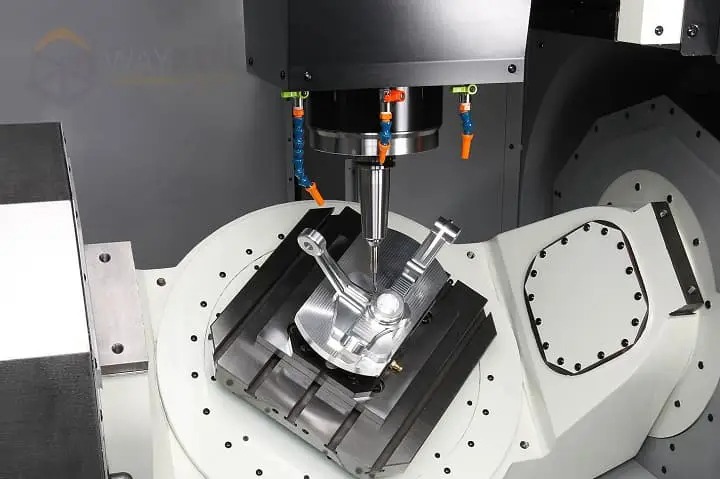
To perform effectively, horizontal boring machines must have high cutting force, stability, and accuracy. The ability to handle large workpieces like castings and steel structures requires a robust construction, precise guide systems, and high torque capabilities. Additionally, the machine must have a powerful spindle and a large worktable to accommodate various workpiece sizes.


Consequences of Choosing the Wrong Product:

Opting for a machine that lacks the necessary features can result in poor machining quality, such as rough surfaces, inaccurate holes, and compromised dimensional precision. An unsuitable machine might also lead to increased wear and tear, reduced tool life, and even equipment failure. Thus, it’s crucial to understand the features that meet the specific requirements of your industry and applications.


Main Applications of Horizontal Boring Machines

Horizontal boring machines are essential in various industries due to their ability to handle large, heavy workpieces with precision. Here are the key applications of these machines:


Industrial Machinery Parts Machining


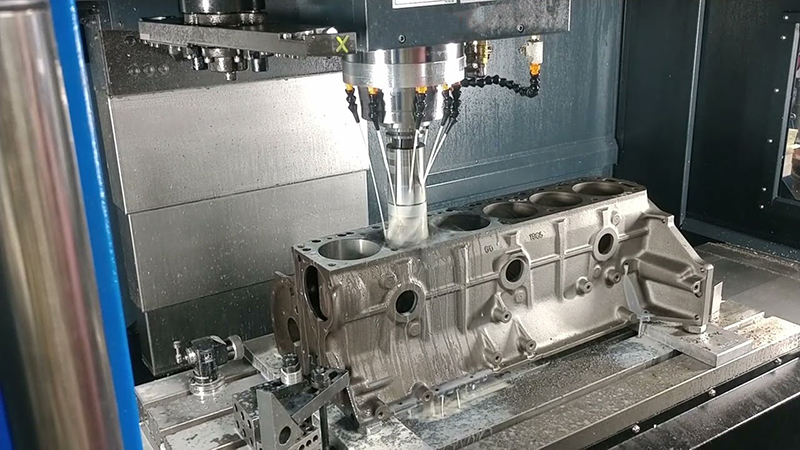
Horizontal boring machines are commonly used to machine large components in industrial machinery, such as engine blocks, gearboxes, and machine beds. These parts require high precision and stability due to their size and complexity.

Why Use a Horizontal Boring Machine:

The machine’s high cutting power, stable spindle, and accurate guidance system make it ideal for machining large, heavy parts with tight tolerances and fine surface finishes.


Aerospace Parts Machining


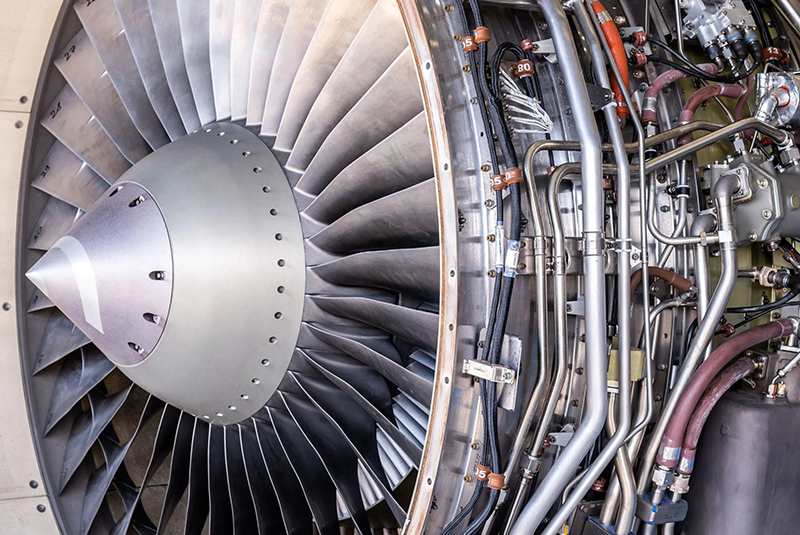
In the aerospace industry, horizontal boring machines are employed to machine critical components like aircraft engine parts, wing components, and supporting structures.

Why Use a Horizontal Boring Machine:

Aerospace parts require extreme precision and stability. Horizontal boring machines offer minimal vibration and high accuracy, meeting the stringent standards needed for safety and performance.


Automotive Parts Machining


The automotive industry relies on horizontal boring machines to machine engine components, transmission housings, and other large mechanical parts. These parts often need high precision and consistency to ensure the proper functioning of vehicles.

Why Use a Horizontal Boring Machine:

Horizontal boring machines provide the necessary power to process large parts while maintaining the accuracy and quality required for automotive applications.


Heavy Machinery Manufacturing

In heavy machinery manufacturing, horizontal boring machines are used to machine large, robust parts for equipment such as mining machines, construction machinery, and industrial machinery.

Why Use a Horizontal Boring Machine:

These machines are designed to handle large, heavy components with precision, offering stability and cutting power needed to produce complex parts for heavy machinery.


Key Buying Considerations

Factor

Why It’s Important

Best Practice / Recommendation

Machining Precision

High precision is critical for horizontal boring machines.

Choose a machine with precise guide systems and fine control.

Workpiece Size

The size of the workpiece dictates the machine's table and range.

For large workpieces, select a machine with a larger worktable.

Cutting Power

The machine must handle different materials effectively.

Choose a machine with higher power for harder materials.

Automation Level

Automation can improve production efficiency.

Opt for a machine with automation features depending on your needs.


Benefits of Using a Horizontal Boring Machine

Horizontal boring machines offer several advantages, making them indispensable in industries that require high-precision machining of large, heavy components. Below are the key benefits of using a horizontal boring machine:

Improved Machining Precision

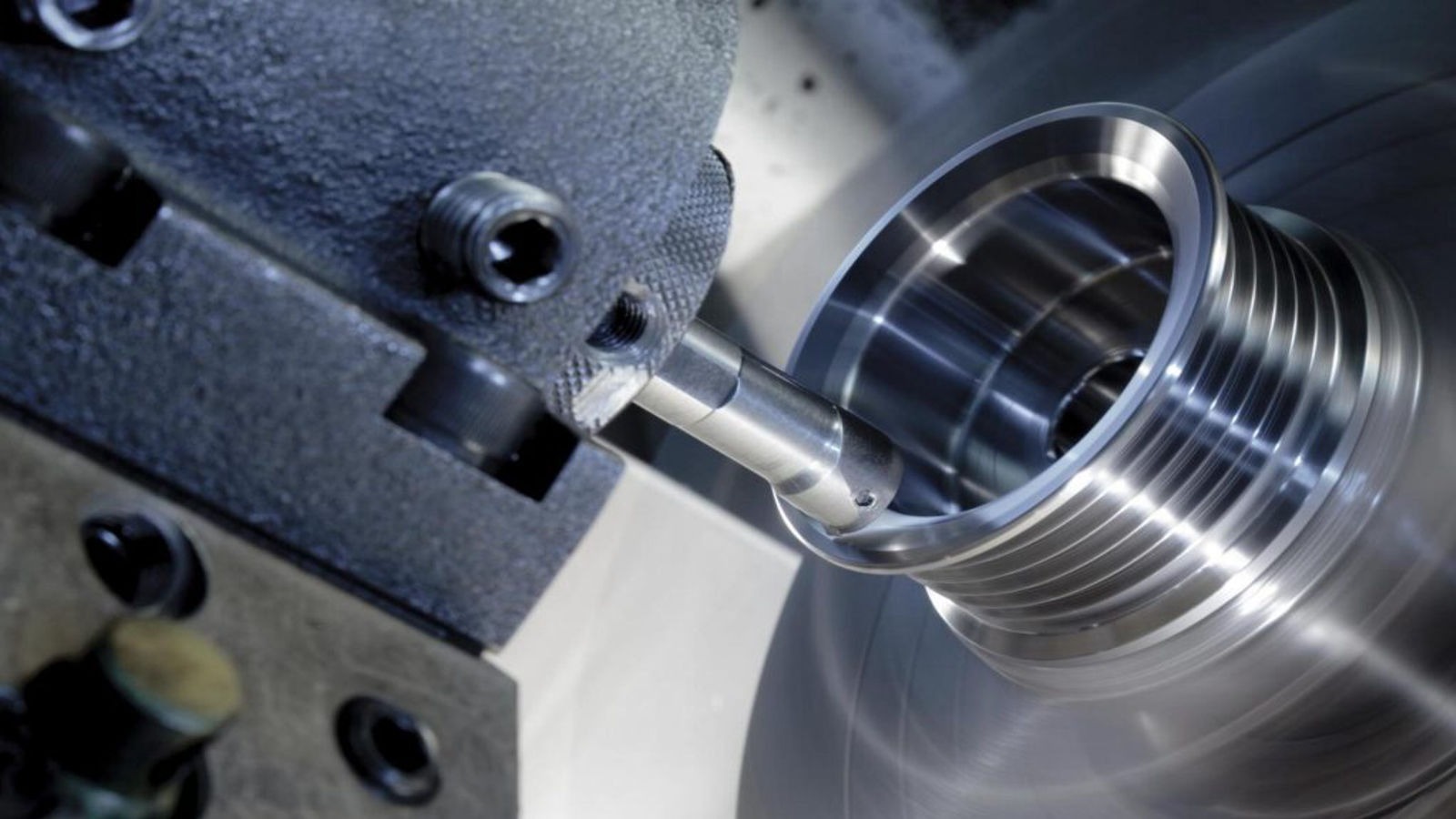
Horizontal boring machines are designed to achieve high accuracy in machining, ensuring that large components are machined to precise specifications. The advanced guide systems, rigid construction, and minimal vibrations allow for highly accurate hole positioning, surface finishes, and tolerances.

Suitable for Large Workpieces

These machines are specifically built to handle large and heavy workpieces. Their wide worktables, robust frames, and powerful spindles allow them to process oversized components such as engine blocks, gearboxes, and machine beds without compromising stability or precision.

High Production Efficiency

Horizontal boring machines are highly efficient in terms of both speed and performance. Their automation capabilities, such as CNC control and automatic tool changers, reduce the need for manual intervention, resulting in faster cycle times, increased throughput, and reduced labor costs. This makes them ideal for high-volume production environments.

Improved Surface Quality

Thanks to their stable and precise cutting abilities, horizontal boring machines can produce smooth, high-quality surfaces. The precision of the machining process reduces the need for extensive post-processing, such as polishing or manual adjustments, saving both time and operational costs.

Versatility Across Applications

Horizontal boring machines are highly versatile, capable of machining a wide range of materials, including castings, steel, and other tough materials. They can be used in various industries, including aerospace, automotive, heavy machinery, and industrial machinery manufacturing, to process diverse components with different requirements.


Common Mistakes to Avoid

When selecting and using a horizontal boring machine, avoiding common mistakes can help prevent costly errors, downtime, and quality issues. Below are the most frequent pitfalls and how to avoid them:

Mistake 1: Choosing the Wrong Worktable Size

A worktable that is too small may not properly support large or heavy workpieces, leading to instability and inaccurate machining.

How to Avoid It:

Always evaluate the maximum size and weight of your typical workpieces and choose a machine with sufficient table size and load capacity.


Mistake 2: Ignoring Cutting Power and Machine Rigidity

Selecting a machine with insufficient spindle power or structural rigidity can cause vibration, poor surface finish, and reduced accuracy—especially when machining hard materials.

How to Avoid It:

Ensure the machine has adequate spindle power, torque, and a rigid structure to handle your target materials and cutting depth requirements.


Mistake 3: Overlooking Automation Requirements

Failing to consider automation features can result in excessive manual operations, longer cycle times, and inconsistent machining results.

How to Avoid It:

Assess your production volume and process complexity. For batch or high-volume production, prioritize machines with CNC control, automatic tool changers, and optional probing systems.


Mistake 4: Focusing Only on Initial Cost

Choosing a machine based solely on price may lead to higher long-term costs due to maintenance issues, lower efficiency, or limited capabilities.

How to Avoid It:

Consider the total cost of ownership, including productivity, reliability, maintenance, and future scalability—not just the purchase price.


Mistake 5: Neglecting Future Production Needs

Buying a machine that only meets current requirements can limit expansion or new project capabilities later.

How to Avoid It:

Select a horizontal boring machine with enough flexibility and capacity to support future growth, larger parts, or more complex machining tasks.


FAQ

1. What is a horizontal boring machine mainly used for?

A horizontal boring machine is mainly used for machining large and heavy workpieces, especially operations such as boring, drilling, milling, and facing large holes. It is commonly used for engine blocks, gearboxes, machine beds, and structural components.

2. What is the difference between a horizontal boring machine and a vertical boring machine?

Horizontal boring machines are better suited for long, heavy, and large workpieces that require strong support and stability. Vertical boring machines are typically used for round parts with large diameters but shorter heights, such as flanges or rings.

3. Can a horizontal boring machine perform milling operations?

Yes. Modern horizontal boring machines can perform multiple operations, including boring, drilling, milling, tapping, and facing, making them highly versatile for complex machining tasks.

4. What materials can be machined with a horizontal boring machine?

Horizontal boring machines can machine a wide range of materials, including cast iron, carbon steel, alloy steel, stainless steel, and large welded structures.

5. How do I choose the right size horizontal boring machine?

You should consider the maximum workpiece size, weight, required travel range, and machining accuracy. The machine’s table size, spindle power, and rigidity should match your typical production requirements.

6. Which industries most commonly use horizontal boring machines?

Horizontal boring machines are widely used in industries such as heavy machinery manufacturing, aerospace, automotive, energy equipment, shipbuilding, and industrial machinery production.


Conclusion

Horizontal boring machines are essential for machining large, heavy, and high-precision components in modern manufacturing. Their strong rigidity, stable cutting performance, and multi-function capability make them a reliable solution for industries such as heavy machinery, aerospace, automotive, and industrial equipment production.

Choosing the right horizontal boring machine means more than selecting a machine by size or price—it requires matching machining accuracy, cutting power, worktable capacity, and automation level to your actual production needs. The right choice can significantly improve efficiency, reduce rework, and ensure long-term machining stability.

If you are evaluating a horizontal boring machine for your workshop or planning to upgrade your current equipment, working with experienced specialists can help you avoid costly mistakes and select a solution that truly fits your application. Reaching out for professional advice early can make a measurable difference in performance and return on investment.

留言

留言
如果您对我们的产品感兴趣,想了解更多详情,请在这里留言,我们会尽快回复您。
提交

产品

whatsApp

接触