博客

Classification of Machining Processes: A Complete Guide

Aug 06, 2026

Choosing the right machining process is more important than many manufacturers realize. The wrong process can increase production costs, reduce machining accuracy, shorten tool life, and even make a part impossible to produce efficiently. That's why understanding the classification of machining processes is the first step toward better manufacturing decisions.

In this guide, you'll learn the main types of machining processes, including conventional machining, abrasive machining, and non-traditional machining. We'll also explain where each process is used and how to choose the right machining method for different materials, part designs, and production requirements.


What Is a Machining Process?

A machining process is a manufacturing method that removes material from a workpiece to achieve the required shape, size, and surface finish. It is widely used to produce high-precision metal and plastic parts for industries such as aerospace, automotive, mold making, and medical manufacturing.

Modern machining includes various types of machining processes, from conventional cutting methods like turning and milling to advanced processes such as EDM and laser machining. Each process has its own advantages, making it suitable for different materials, part geometries, and machining requirements.


How Are Machining Processes Classified?

There are many ways to classify machining processes, but the most common approach is based on how material is removed from the workpiece. Using this method, machining processes are generally divided into three main categories:

  • Conventional Machining – Material is removed by direct contact between a cutting tool and the workpiece, such as turning, milling, and drilling.
  • Abrasive Machining – Abrasive tools are used to achieve higher accuracy and better surface finishes, including grinding, honing, and lapping.
  • Non-Traditional Machining – Material is removed using electrical, thermal, chemical, or high-energy methods, such as EDM, laser machining, and waterjet cutting.

Each classification is designed for different materials, part geometries, precision requirements, and production applications.


Conventional Machining Processes

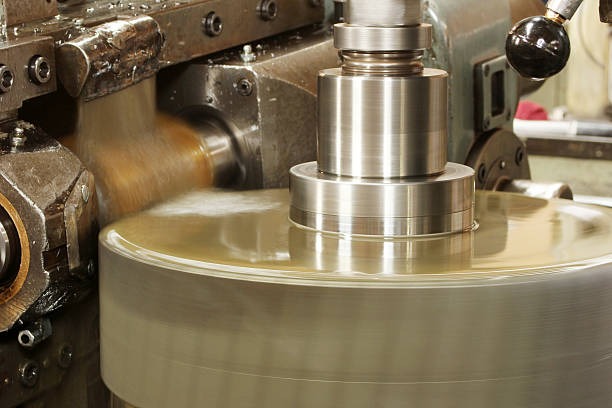
Conventional machining removes material through direct contact between a cutting tool and the workpiece. It is the most widely used category of machining because it offers high efficiency, stable accuracy, and cost-effective production. These processes are suitable for most metals and engineering plastics and are commonly performed on CNC lathes, machining centers, and boring machines.


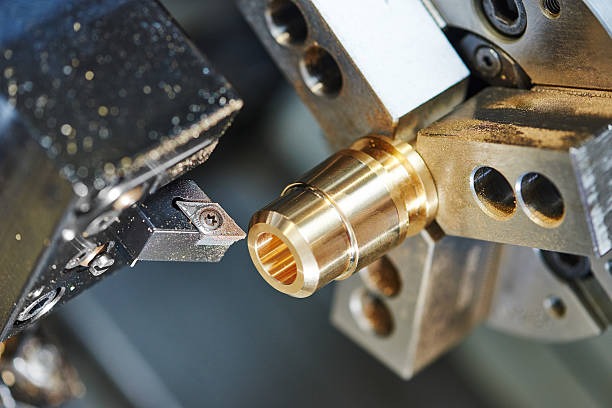
Turning

Turning is used to machine rotating workpieces into cylindrical shapes. It is ideal for producing shafts, bushings, pins, threads, and other round parts with high dimensional accuracy and smooth surface finishes.

CNC Turning


Milling

Milling uses a rotating cutting tool to machine flat surfaces, slots, pockets, contours, and complex 3D features. It is one of the most versatile machining processes and is widely used in mold making, aerospace, automotive, and general manufacturing.


Drilling

Drilling creates accurate round holes for bolts, fasteners, cooling channels, and assembly features. It is often the first step before tapping, reaming, or boring operations.


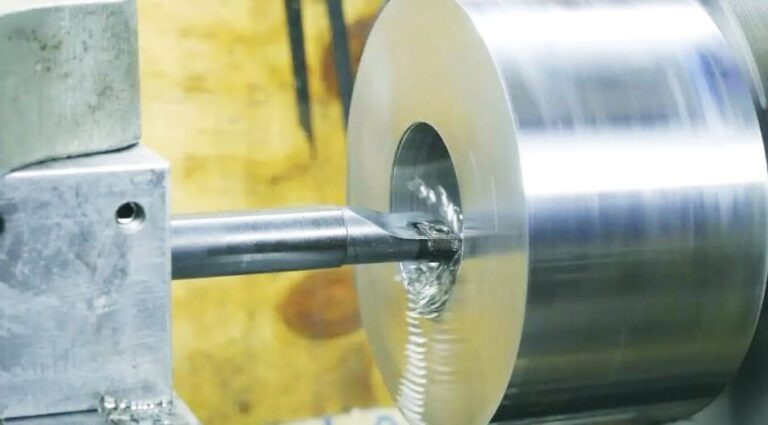
Boring

Boring improves the size, roundness, and surface finish of pre-drilled holes. It is commonly used for bearing seats, engine blocks, hydraulic cylinders, and other components that require high hole accuracy.


 Boring Machining


Reaming

Reaming is a finishing operation that removes a small amount of material from an existing hole to achieve tighter tolerances and a smoother surface finish. It is often used for precision assembly parts.


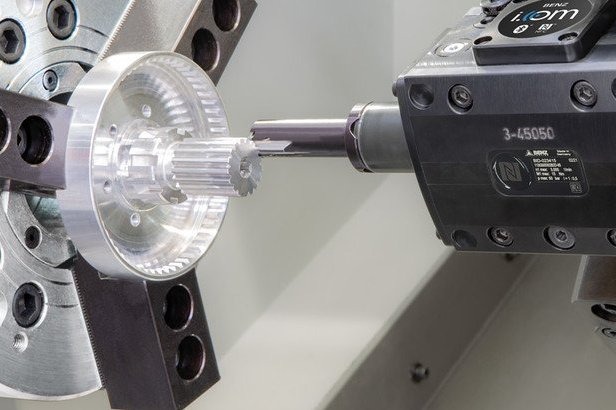
Broaching

Broaching removes material with a multi-tooth cutting tool in a single pass. It is highly efficient for producing keyways, splines, internal profiles, and other repeatable features in mass production.


 CNC Broaching


Abrasive Machining Processes

Unlike conventional machining, abrasive machining removes material using abrasive particles instead of standard cutting tools. These processes are mainly used as finishing operations to achieve tighter tolerances, smoother surface finishes, and higher dimensional accuracy.


Grinding

Grinding uses a rotating abrasive wheel to remove a small amount of material from the workpiece. It is widely used to finish hardened steel, precision molds, gears, bearing components, and other parts that require excellent accuracy and surface quality.


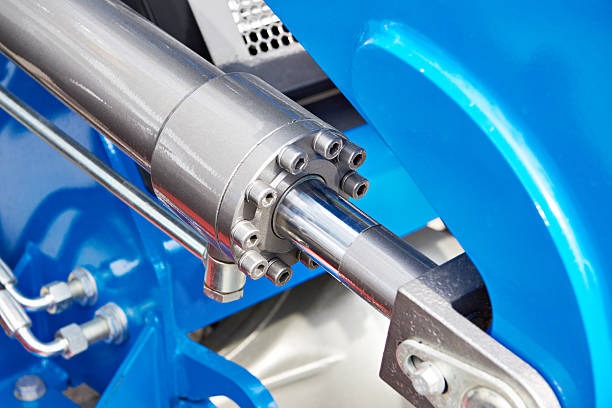
Honing

Honing is used to improve the geometry and surface finish of internal holes. It is commonly used on engine cylinders, hydraulic cylinders, and precision bores where smooth surfaces and precise dimensions are essential.


hydraulic cylinders


Lapping

Lapping is an ultra-precision finishing process that uses fine abrasive compounds to create exceptionally flat and smooth surfaces. It is often used for optical components, sealing surfaces, gauges, and other high-precision parts.


 Lapping Machining


Non-Traditional Machining Processes

Non-traditional machining removes material without direct contact between a conventional cutting tool and the workpiece. Instead, it uses electrical, thermal, or high-pressure energy to machine hard materials, delicate components, or complex geometries that are difficult to produce with conventional machining. These processes are widely used in aerospace, medical, electronics, and mold manufacturing.


Electrical Discharge Machining (EDM)

EDM removes material through controlled electrical sparks between an electrode and the workpiece. It is ideal for machining hardened steels, complex mold cavities, sharp internal corners, and intricate profiles without applying cutting forces.


Wire EDM

Wire EDM uses a continuously moving wire electrode to cut precise contours and narrow slots. It is commonly used for dies, punches, precision tooling, and components that require extremely tight tolerances.


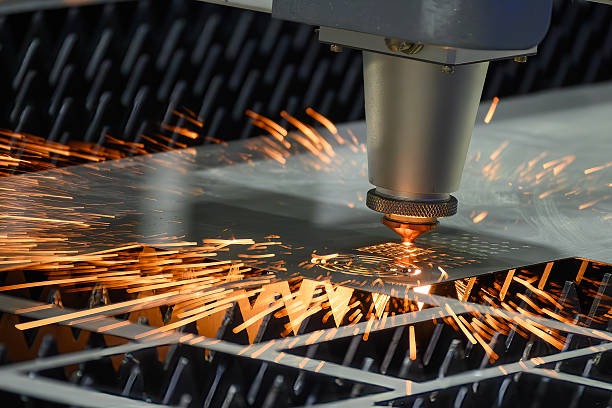
Laser Machining

Laser machining uses a focused laser beam to cut, drill, or engrave materials with high precision. It is well suited for thin metals, micro-components, medical devices, and electronic parts where minimal heat distortion is required.


 Laser Machining


Waterjet Cutting

Waterjet cutting removes material using a high-pressure stream of water mixed with abrasive particles. Because it generates no heat-affected zone, it is an excellent choice for cutting metals, composites, ceramics, glass, and heat-sensitive materials while maintaining excellent edge quality.


Comparison of Different Machining Process Classifications

Each machining classification has its own strengths and is designed for different manufacturing needs. The table below compares the three main categories to help you quickly understand their differences.

Classification

Typical Processes

Best For

Main Advantages

Limitations

Conventional Machining

Turning, Milling, Drilling, Boring

General metal cutting, high production efficiency

Cost-effective, versatile, suitable for most materials

Limited when machining extremely hard materials or intricate features

Abrasive Machining

Grinding, Honing, Lapping

High-precision finishing and superior surface quality

Excellent accuracy and surface finish

Lower material removal rate, mainly used as a finishing process

Non-Traditional Machining

EDM, Wire EDM, Laser Machining, Waterjet Cutting

Hard materials, complex geometries, delicate components

Can machine difficult materials and intricate shapes

Higher equipment cost and slower machining speed for some applications


The best machining process depends on your material, part geometry, tolerance requirements, surface finish, and production volume. In many manufacturing projects, multiple machining processes are combined to achieve the best balance between quality, efficiency, and cost.


How to Choose the Right Machining Process

There is no single machining process that works best for every project. The right choice depends on your part design, material, quality requirements, and production goals. Before selecting a machining process, consider the following factors.


Workpiece Material

Different materials require different machining methods. Aluminum and mild steel are easy to machine with conventional processes such as milling and turning. In contrast, hardened steel, titanium, ceramics, and composites may require grinding, EDM, or waterjet cutting to achieve the desired results.


Part Shape and Complexity

Simple cylindrical parts are typically produced by turning, while flat surfaces, pockets, and complex 3D geometries are better suited to milling. Components with intricate internal profiles or sharp corners often require Wire EDM or other non-traditional machining processes.


Accuracy and Surface Finish

If standard dimensional accuracy is acceptable, conventional machining is usually the most economical option. For tight tolerances or superior surface finishes, finishing processes such as grinding, honing, or lapping may be required.


Production Volume and Cost

Production quantity also affects process selection. Conventional machining is ideal for most low- and high-volume production because of its efficiency and lower operating cost. Non-traditional machining is generally chosen when conventional methods cannot achieve the required geometry or material performance, even though it may involve higher machining costs.


FAQs

1. Which machining process is the most commonly used?

Conventional machining is the most widely used category. Processes such as turning, milling, drilling, and boring are suitable for most manufacturing applications because they offer high efficiency, reliable accuracy, and cost-effective production.

2. What is the difference between conventional and non-traditional machining?

Conventional machining removes material through direct contact between a cutting tool and the workpiece. Non-traditional machining uses electrical, thermal, or high-pressure energy, making it ideal for machining hard materials, complex geometries, and delicate components.

3. Which machining process provides the best surface finish?

Grinding, honing, and lapping generally provide the best surface finish and dimensional accuracy. These abrasive machining processes are commonly used as finishing operations after conventional machining.

4. Can one part require multiple machining processes?

Yes. Many precision components are manufactured using a combination of machining processes. For example, a part may be milled to create its basic shape, drilled to produce holes, and then ground to achieve tighter tolerances and a smoother surface finish.

5. How do I choose the right machining process?

The best machining process depends on several factors, including the workpiece material, part geometry, required tolerance, surface finish, production volume, and budget. Evaluating these requirements together helps you select the most efficient and cost-effective machining solution.


Conclusion

If you're planning a new machining project or investing in CNC equipment, selecting the right machining process is only the first step. Equally important is choosing a CNC machine that delivers the accuracy, rigidity, and productivity your application demands. Working with an experienced CNC machine manufacturer can help you find the most efficient solution for your production needs and achieve consistent, high-quality results.


CNC Factory

留言

留言
如果您对我们的产品感兴趣,想了解更多详情,请在这里留言,我们会尽快回复您。
提交

产品

whatsApp

接触