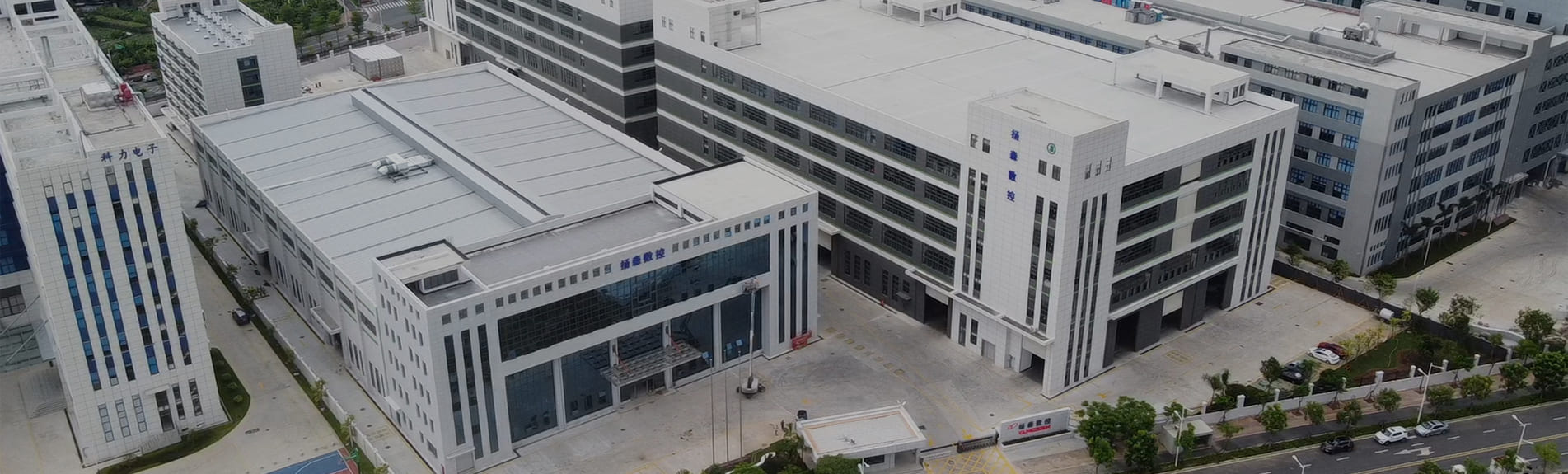
Machining large parts brings challenges that smaller CNC machines rarely face. A long workpiece may exceed the machine's travel, while a heavy component can create problems with loading, clamping, and cutting stability. Even if the part fits on the machine, maintaining accuracy across a large machining area can be difficult.
For industries such as shipbuilding, energy, and heavy equipment manufacturing, choosing the wrong CNC machine can mean repeated setups, longer machining times, and costly rework.
So, how do you choose a CNC machine that can handle large parts efficiently? This guide covers the key machine specifications, suitable CNC machine types, and practical selection factors to help you find the right solution for your customers.
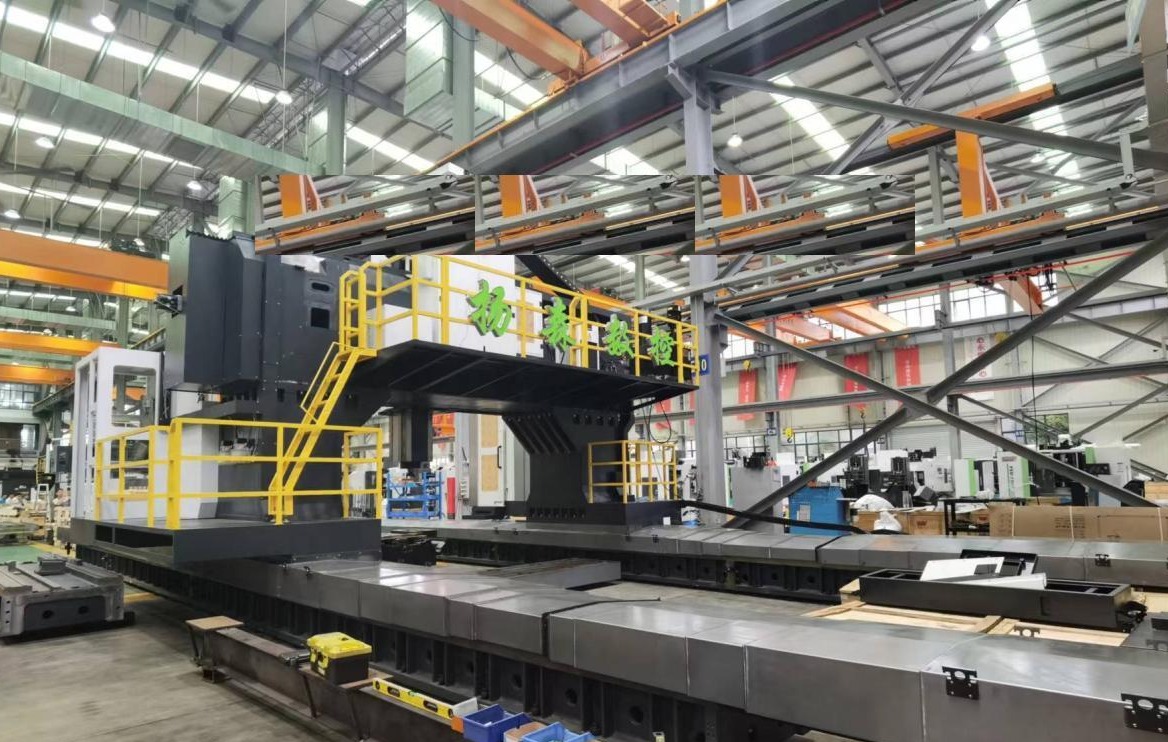
Large part machining involves more than handling bigger workpieces. Long machining distances, heavy loads, and difficult setups can affect both accuracy and production efficiency. These challenges are especially common when machining shipbuilding components, energy equipment, and large machine structures.
Large workpieces, such as machine bases and marine equipment components, can be difficult to load, position, and secure. Their weight may exceed the machine table's capacity, while uneven weight distribution can affect stability. Proper support and clamping are essential to prevent movement during machining.
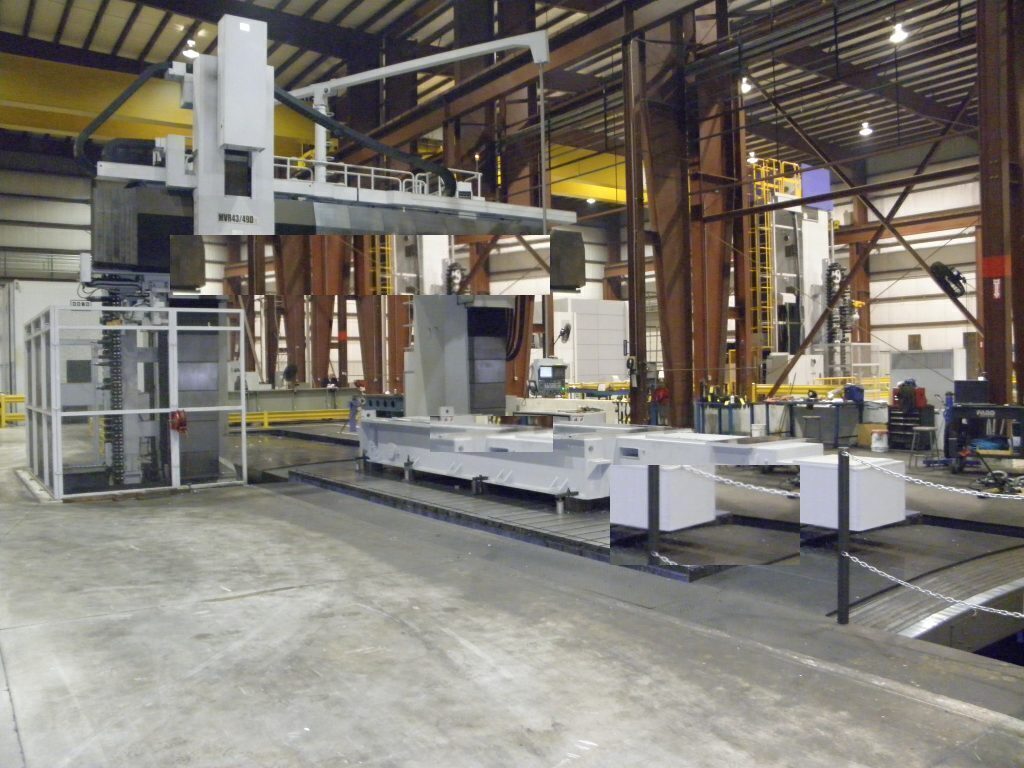
Long structural parts often require machining across several meters. If the CNC machine lacks sufficient travel, the workpiece may need to be repositioned. Each additional setup increases machining time and introduces potential positioning errors, especially when holes and surfaces must align across the entire part.
Heavy cutting generates significant forces that can cause vibration in the machine or workpiece. Long, thin, or unevenly supported parts may also bend under their own weight or clamping pressure. These effects can lead to poor surface finish, dimensional errors, and increased tool wear.
Large parts often have features on different sides, making them difficult to machine in a single setup. Repositioning a heavy workpiece may require cranes, special fixtures, and additional alignment work. Limited tool access can also make deep holes, side surfaces, and complex features harder to machine.
These challenges show why choosing a CNC machine for large parts requires more than checking its size. The machine must also provide the stability, accessibility, and machining capacity needed for the workpiece.
Before comparing CNC machine models, you need to understand what your customer plans to machine. Large parts vary in size, weight, material, and machining complexity.
Start by collecting the workpiece drawings and checking these six factors:
|
Workpiece Factor |
What to Check |
|
Dimensions |
Confirm the maximum length, width, and height, including any features that extend beyond the main body. |
|
Weight |
Check the total workpiece weight and the additional weight of fixtures and supports. |
|
Material |
Identify whether the part is made from steel, cast iron, aluminum, or other alloys, as each requires different cutting conditions. |
|
Machining Features |
Identify the holes, slots, pockets, flat surfaces, and features that require machining from different directions. |
|
Accuracy Requirements |
Review critical tolerances, flatness, hole positions, and surface finish requirements. |
|
Production Needs |
Confirm the batch size, production frequency, and expected machining time per part. |
Choosing a CNC machine for large parts requires more than checking its size. The machine must support heavy loads, maintain stable cutting, and deliver consistent accuracy over long machining distances. Focus on these five specifications.
Machine travel determines the cutting range along the X, Y, and Z axes. However, machine travel is not the same as maximum workpiece size.
Check the X/Y/Z travel, table dimensions, and clearance for fixtures and tools. Make sure all required machining areas are within the spindle's reach without repositioning the workpiece.
The machine must support the combined weight of the workpiece and fixtures. Weight distribution also matters, especially for long or unevenly shaped parts.
For heavy components, a fixed-worktable design or additional supports may improve stability and simplify machining.
Heavy cutting can cause vibration and deflection, affecting accuracy and surface finish.
Evaluate the machine structure, guideways, and spindle support. A rigid design helps maintain stable cutting conditions, particularly when machining large steel or cast iron components.
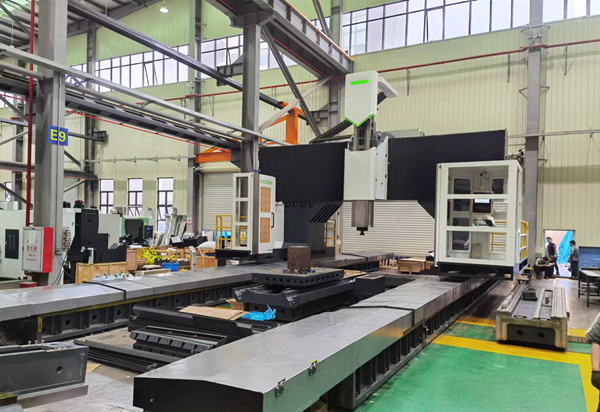
Spindle performance should match the material and cutting requirements.
Choose spindle specifications based on actual cutting needs rather than maximum RPM alone.
Long machining distances make positioning errors and thermal expansion more noticeable. These can affect flatness, hole alignment, and overall dimensions.
Check positioning accuracy, repeatability, and thermal stability. For precision parts, request machine accuracy reports or sample machining tests.
The right CNC machine should balance travel, load capacity, rigidity, spindle performance, and accuracy based on your customer's workpiece requirements.
Different industries require different machining solutions for large parts. The right CNC machine depends on the workpiece shape, machining features, and production needs. The table below shows common applications and suitable machine types.
|
Industry |
Typical Large Parts |
Suitable CNC Machine |
|
Shipbuilding |
Marine equipment bases, propulsion housings, large brackets |
Gantry, HMC, Moving Column |
|
Energy |
Wind turbine components, turbine housings, heavy equipment frames |
Gantry, HMC, VTL |
|
Construction Machinery |
Large structural parts, gearbox housings, excavator components |
Gantry, HMC |
|
Heavy Equipment Manufacturing |
Machine beds, large plates, long structural components |
Gantry, Moving Column |

The key is to match the machine structure to the workpiece, not simply choose the largest available CNC machine. This helps your customers improve machining efficiency while avoiding unnecessary equipment costs.
Before placing an order, you need to confirm that the CNC machine can handle your customer's machining requirements and installation conditions. Even a machine with suitable specifications may cause problems if important details are overlooked.
Check these six points before making a final decision:
For large CNC machines, confirming these details before ordering can prevent costly installation problems, unexpected expenses, and production delays.
Q: What type of CNC machine is best for large workpieces?
A: The best CNC machine depends on the workpiece shape, weight, and machining requirements. Gantry machining centers are suitable for large plates and structural parts, while moving column machines work well for long, heavy components. HMCs are ideal for multi-sided housings, and vertical lathes are better suited for large round parts.
Q: How much CNC machine travel do I need for large parts?
A: The required travel depends on the workpiece dimensions and the locations of the features being machined. You should also consider fixture space, tool clearance, and spindle reach. For long components, choose a machine that can access all critical machining areas without repositioning the workpiece.
Q: What is the difference between a gantry and a moving column CNC machine?
A: The main difference is how the machine moves during machining. Many conventional gantry machining centers use a moving table, while moving column or moving gantry designs keep the workpiece stationary as the machine structure moves. Fixed-worktable designs are often more practical for very long or heavy parts.
Q: Can a CNC machine handle very heavy workpieces?
A: Yes, heavy-duty CNC machines can handle workpieces weighing several tons, depending on their design and rated capacity. However, you must check the maximum table load, weight distribution, and workpiece support. The machine must also provide sufficient rigidity and spindle torque for the required cutting operations.
Q: How can you maintain accuracy when machining long parts?
A: Maintaining accuracy requires a stable machine structure, proper workpiece support, and careful temperature control. Long workpieces may expand or deform during machining, affecting dimensions and hole alignment. Using suitable fixtures, thermal compensation, and regular inspection can help maintain consistent accuracy.
Q: What should dealers check before ordering a large CNC machine?
A: Dealers should confirm the customer's workpiece drawings, machining requirements, production volume, and factory conditions. They should also review the machine configuration, installation requirements, and after-sales support. For demanding applications, requesting a sample machining test helps verify performance before placing an order.
Choosing the right CNC machine for large parts is not just about machine size. Travel, load capacity, rigidity, and machining accuracy all play a role in handling heavy or oversized workpieces. The best choice depends on your customer's part geometry, material, and production requirements.
CNC YANGSEN offers gantry, moving column, and horizontal machining centers to support large-part machining across shipbuilding, energy, and heavy equipment applications.
Need help selecting the right CNC machine for your customers? Contact CNC YANGSEN with your workpiece drawings and machining requirements to find a suitable solution.

标签 :