博客

Types of Guideways in CNC Lathe Machines

Aug 03, 2026

The guideway is one of the most important components of a CNC lathe, directly affecting machining accuracy, cutting stability, and machine life. Yet many buyers focus on spindle speed or control systems while overlooking this critical feature.

So, what's the difference between box guideways, linear ball guideways, and roller guideways? More importantly, which one is best for your machining needs?

In this guide, you'll learn the main types of guideways used in CNC lathe machines, their advantages, limitations, and how to choose the right one for your application.

 Guideways in CNC Lathe Machines


What Are Guideways in a CNC Lathe Machine?

What Is the Function of a Guideway?

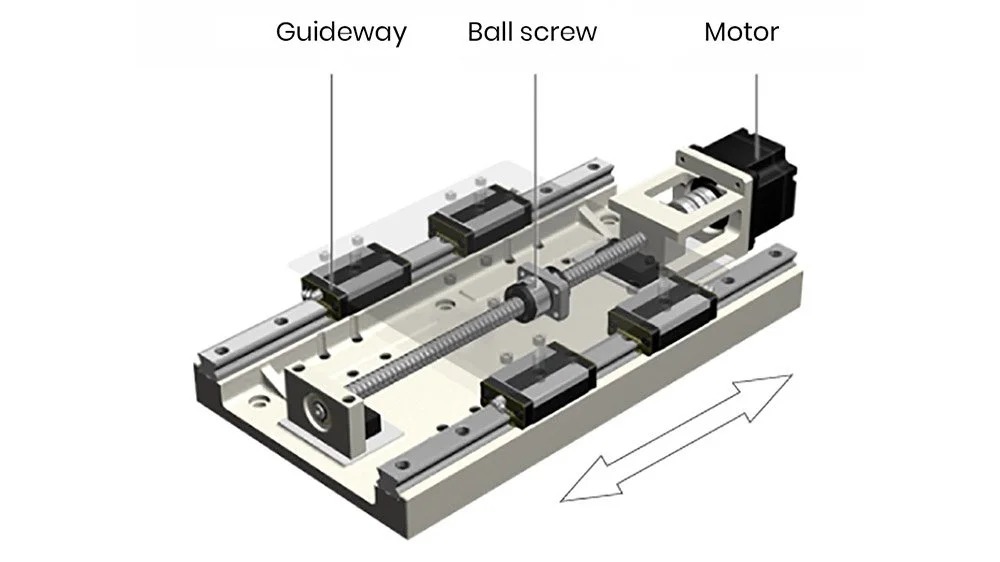
Guideways are the precision tracks that guide the movement of the X-axis and Z-axis on a CNC lathe. They keep the cutting tool moving smoothly and accurately while supporting the machine against cutting forces. A high-quality guideway system helps maintain positioning accuracy, reduce vibration, and ensure stable machining over long periods of operation.


Why Guideways Matter in CNC Turning

The performance of a CNC lathe depends heavily on its guideways. The right guideway can improve machining accuracy, produce a better surface finish, and provide greater stability during cutting. It also affects machining speed, tool life, and the machine's long-term reliability. Whether you're roughing large steel parts or finishing precision components, the guideway plays a key role in achieving consistent results.


Main Types of Guideways in CNC Lathe Machines

Not all CNC lathe guideways are built for the same purpose. Some are designed to handle heavy cutting loads with maximum rigidity, while others focus on high-speed movement and precision. Understanding the strengths and limitations of each type will help you choose a machine that matches your production needs.


Box Guideways

Box guideways, also known as sliding guideways, feature large sliding contact surfaces between the moving and fixed machine components. This design provides excellent rigidity and vibration damping, making them the preferred choice for heavy-duty turning operations.

Advantages:

  • Excellent rigidity and load-bearing capacity
  • Superior vibration damping for stable cutting
  • Ideal for heavy roughing and interrupted cutting
  • Long service life under demanding conditions

Limitations:

  • Higher friction results in slower rapid traverse speeds
  • Requires regular lubrication and maintenance
  • Less suitable for high-speed production

Best Applications:

  • Large steel shafts
  • Cast iron components
  • Railway and mining parts
  • Oil & gas valves and flanges
  • Heavy-duty machining


Linear Ball Guideways

Linear Ball Guideways


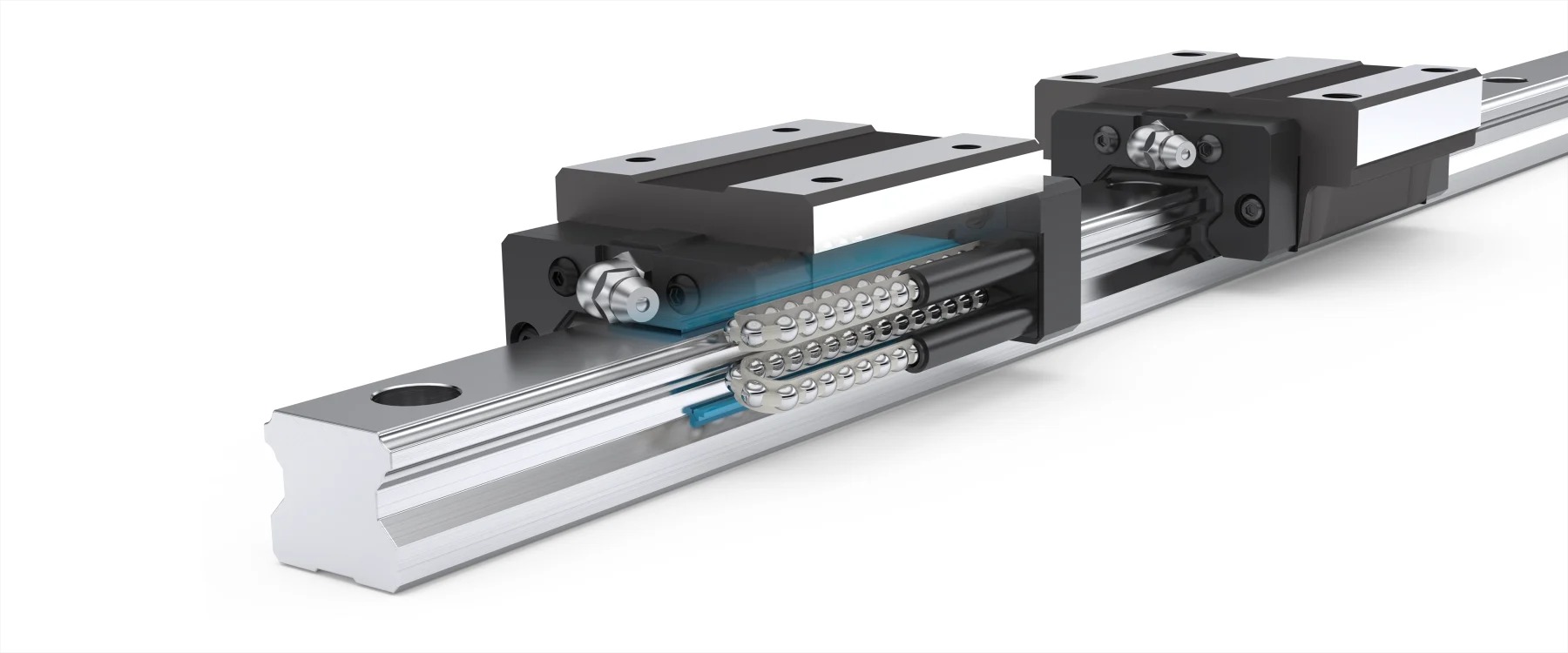
Linear ball guideways use recirculating steel balls between the guide rail and the carriage to reduce friction. This allows the machine to move quickly and accurately, making them ideal for high-speed and precision machining.

Advantages:

  • Low friction for fast axis movement
  • High positioning accuracy
  • Smooth operation and low energy consumption
  • Easy maintenance

Limitations:

  • Lower rigidity than box guideways
  • Less effective under heavy cutting loads
  • More sensitive to vibration during aggressive machining

Best Applications:

  • Aluminum parts
  • Automotive components
  • Medical devices
  • Precision shafts
  • General-purpose production


Roller Linear Guideways


Roller Linear Guideways


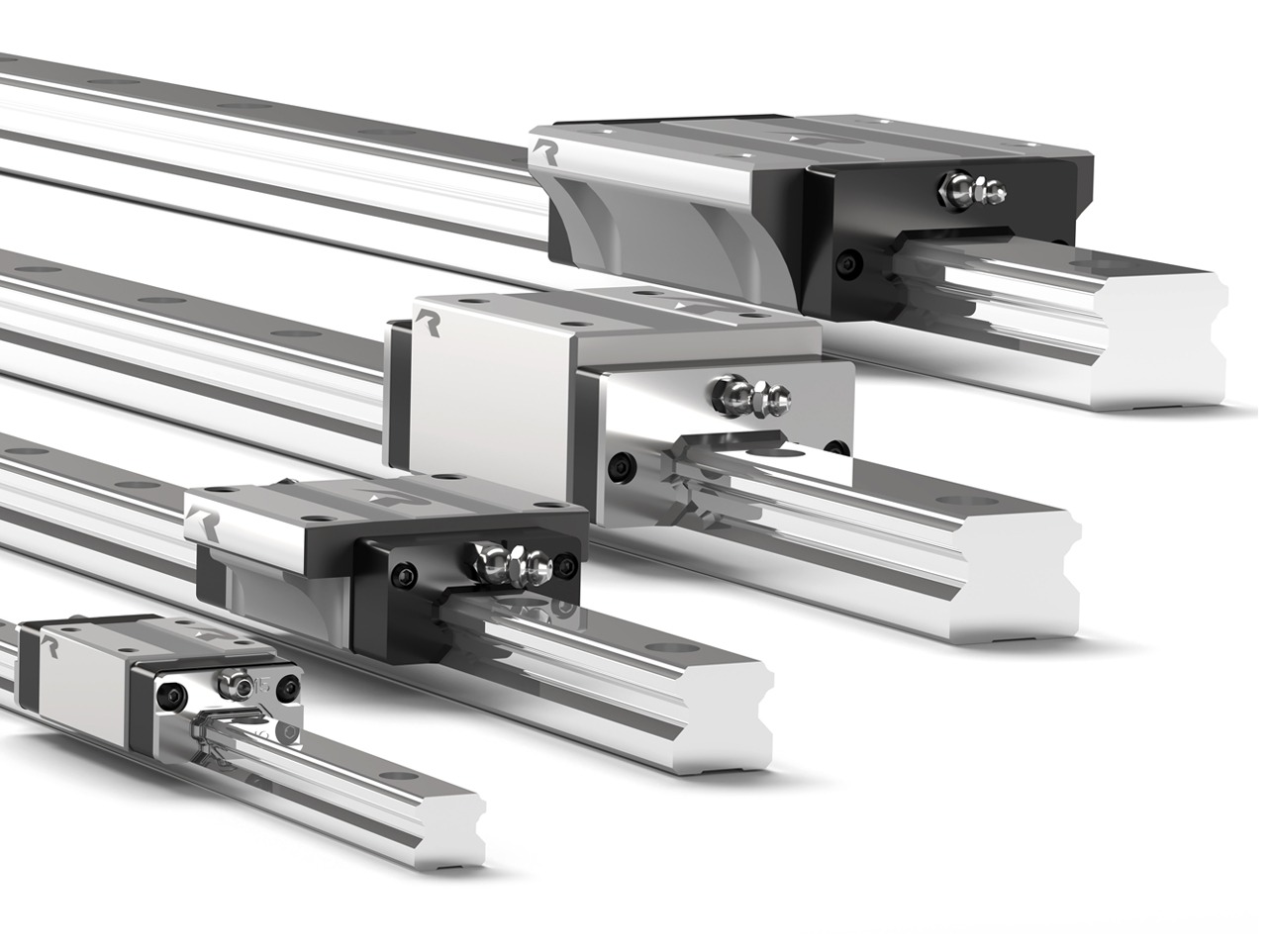
Roller linear guideways replace steel balls with cylindrical rollers, creating a larger contact area between the carriage and the guide rail. They combine the speed of linear guideways with greater rigidity and load capacity, making them increasingly popular in modern CNC lathes.

Advantages:

  • Higher rigidity than ball guideways
  • Greater load capacity
  • High-speed movement with excellent accuracy
  • Better surface finish during machining

Limitations:

  • Higher manufacturing cost
  • More demanding installation and alignment requirements

Best Applications:

  • Stainless steel parts
  • Aerospace components
  • Mold and die machining
  • Precision mechanical parts
  • High-efficiency production


Hydrostatic Guideways

Hydrostatic guideways use a thin film of pressurized oil to separate the moving and stationary surfaces, eliminating direct metal-to-metal contact. This design delivers extremely smooth movement, outstanding accuracy, and minimal wear.

Advantages:

  • Extremely high precision
  • Almost no mechanical wear
  • Excellent vibration damping
  • Suitable for continuous high-accuracy machining

Limitations:

  • High manufacturing and operating costs
  • Complex hydraulic system
  • Mainly used on specialized machines

Best Applications:

  • Ultra-precision turning
  • Optical components
  • Aerospace precision parts
  • High-end research and manufacturing equipment


Box Guideway vs Linear Guideway: What's the Difference?

Box guideways and linear guideways are the two most common guideway systems used in CNC lathes. Neither is universally better—the right choice depends on your machining priorities. If you need maximum rigidity for heavy cutting, a box guideway is the better option. If speed and productivity are your priorities, a linear guideway offers clear advantages.

Feature

Box Guideway

Linear Guideway

Rigidity

Excellent

Good

Cutting Performance

Excellent for heavy-duty machining

Better for light to medium cutting

Machining Accuracy

High

High

Rapid Traverse Speed

Lower

Higher

Vibration Damping

Excellent

Good

Maintenance

Requires regular lubrication

Lower maintenance

Service Life

Excellent under heavy loads

Excellent in high-speed production

Best Applications

Large, heavy workpieces and rough machining

Precision parts and high-volume production


When Should You Choose a Box Guideway?

A box guideway is the better choice if your work involves heavy cutting, interrupted machining, or large workpieces. Its high rigidity and excellent vibration damping provide stable performance when machining steel, cast iron, and other hard materials.


When Should You Choose a Linear Guideway?

A linear guideway is ideal when machining speed, precision, and productivity are your main priorities. It performs well in high-volume production and is commonly used for aluminum parts, automotive components, and other precision machining applications where fast axis movement improves efficiency.


Which Guideway Is Best for Different Machining Applications?

The best guideway depends on the material you machine, the cutting load, and your production goals. Here's a quick guide to help you match the right guideway to your application.


Heavy-Duty Steel Machining

Recommended Guideway: Box Guideway

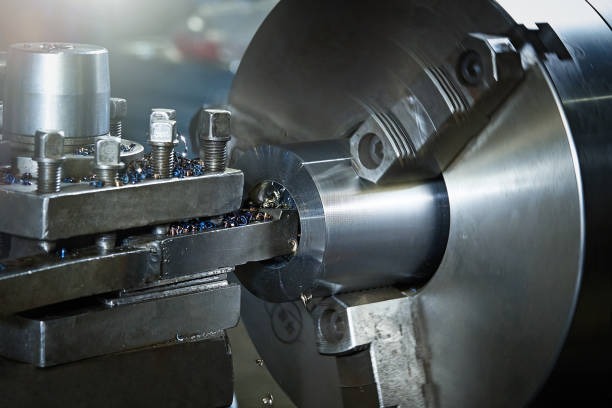
Heavy steel cutting generates high cutting forces and vibration. A box guideway provides the rigidity and stability needed for deep cuts, interrupted machining, and long tool life.

Typical parts: Large shafts, flanges, valve bodies, railway components


 Heavy-Duty Steel Machining


High-Speed Aluminum Machining

Recommended Guideway: Linear Ball Guideway

Aluminum machining focuses on speed and efficiency rather than heavy cutting. A linear ball guideway offers fast axis movement and smooth operation, helping reduce cycle times while maintaining good accuracy.

Typical parts: Automotive parts, aluminum housings, precision shafts


Precision Stainless Steel Parts

Recommended Guideway: Roller Linear Guideway

Stainless steel requires both rigidity and precision. Roller guideways provide greater load capacity than ball guideways while maintaining high positioning accuracy, making them ideal for demanding precision applications.

Typical parts: Medical components, aerospace fittings, precision mechanical parts


Large-Diameter Workpieces

Recommended Guideway: Box Guideway

Machining large and heavy workpieces requires maximum support to prevent vibration and maintain accuracy. Box guideways are better suited for these demanding conditions.

Typical parts: Large pipes, bearing housings, oil and gas components


High-Volume Production

Recommended Guideway: Linear Ball Guideway or Roller Linear Guideway

For continuous production, fast traverse speeds and high repeatability are essential. Linear guideways improve machining efficiency, while roller guideways offer additional rigidity for more demanding production environments.

Typical parts: Automotive components, hydraulic fittings, electronic hardware


How to Choose the Right Guideway for Your CNC Lathe?

Choosing the right guideway isn't about selecting the most advanced option—it's about matching the machine to your machining requirements. Before buying a CNC lathe, consider these four factors.

Consider Your Workpiece Material

The material you machine has a major influence on guideway selection. Hard materials like steel and cast iron generate higher cutting forces and benefit from the rigidity of box guideways. For aluminum and other lightweight materials, linear guideways can deliver higher productivity without sacrificing accuracy.

Evaluate Cutting Load and Machining Style

Think about how you'll use the machine. If your work mainly involves heavy roughing or interrupted cutting, box guideways provide better stability. For finishing operations, light cutting, or high-speed machining, linear or roller guideways offer smoother movement and faster cycle times.

Match the Guideway to Your Production Volume

Low-volume, heavy-duty machining and high-volume production have different requirements. Box guideways are ideal for demanding jobs that require maximum rigidity, while linear guideways are better suited for continuous production where speed and efficiency are priorities. Roller guideways offer a balance of both.

Consider Machine Rigidity as a Complete System

The guideway is only one part of the machine's overall performance. The machine bed, spindle, ball screws, servo system, and overall structural design all work together to determine machining accuracy and stability. A well-designed CNC lathe combines the right guideway with a rigid machine structure to deliver consistent long-term performance.


FAQs

1. Which guideway is better for heavy-duty CNC lathes?

Box guideways are generally the best choice for heavy-duty CNC lathes. Their large contact area provides excellent rigidity and vibration damping, making them ideal for rough machining, deep cuts, and large steel or cast iron workpieces.

2. Are linear guideways suitable for steel machining?

Yes. Linear guideways can machine steel effectively, especially for light to medium cutting and high-speed production. However, if your application involves heavy roughing or frequent interrupted cuts, a box guideway is usually the better option.

3. What is the difference between ball guideways and roller guideways?

Both are linear guideway systems, but they use different rolling elements. Ball guideways offer lower friction and higher travel speeds, while roller guideways provide greater rigidity, higher load capacity, and better stability under heavier cutting conditions.

4. Do box guideways require more maintenance?

Yes. Box guideways require regular lubrication to minimize friction and wear. With proper maintenance, they offer excellent durability and can maintain high machining accuracy for many years.

5. Which guideway provides the best machining accuracy?

All guideway types can achieve high accuracy when properly designed and maintained. For high-speed precision machining, linear and roller guideways typically deliver better positioning performance. For heavy cutting where stability is critical, box guideways often produce more consistent machining results.

6. Can one CNC lathe handle both roughing and finishing operations?

Yes. Many modern CNC lathes are designed to perform both operations. Machines equipped with roller linear guideways provide a good balance of rigidity, speed, and precision, while box guideway machines can also deliver excellent finishing quality after heavy roughing when properly configured.


Conclusion

The right guideway can make a big difference in machining performance, accuracy, and productivity. Box guideways are ideal for heavy-duty cutting, while linear guideways excel in high-speed, high-precision production. Roller guideways offer a balance of both.

If you're selecting a CNC lathe, choose the guideway based on your machining requirements—not just the specifications. Need help finding the right machine? Contact Yangsen for expert advice and a CNC lathe solution tailored to your application.

Contact CNC Yangsen Factory

留言

留言
如果您对我们的产品感兴趣,想了解更多详情,请在这里留言,我们会尽快回复您。
提交

产品

whatsApp

接触